

-
Category
-
Author
-
972
-
0
-
02Sep, 2022
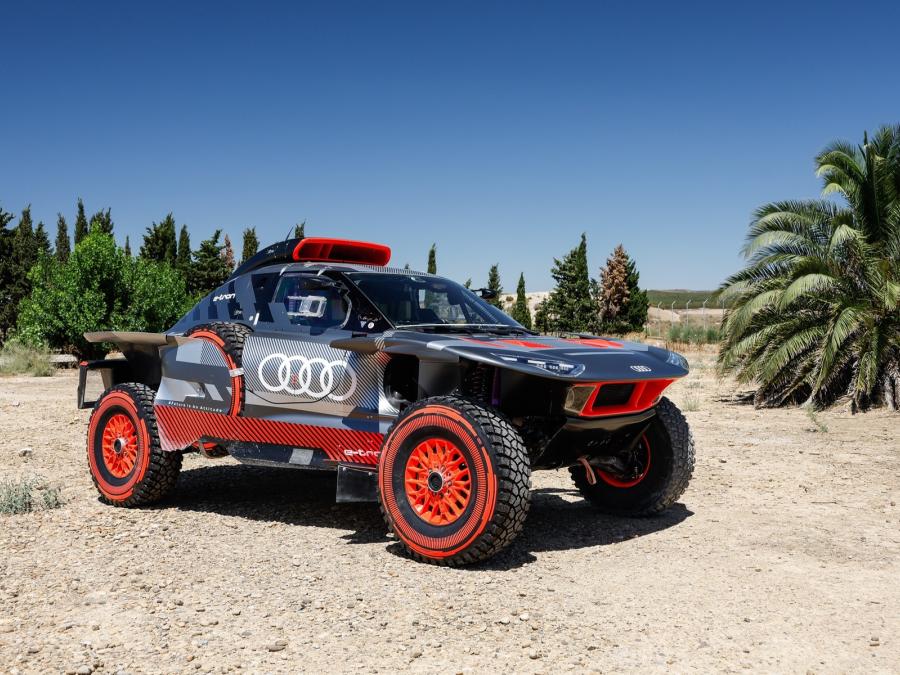
Audi showed the second version of the racing prototype RS Q e-tron. He will compete in the Morocco Rally and the next Dakar. The hybrid SUV received a new body, improved aerodynamics and revised electrical systems. The power plant is the same - with three electric motors from a Formula E car and a gasoline engine borrowed from the RS5 coupe for the German DTM touring car championship.
Audi unveiled the RS Q e-tron prototype last year. In the spring of 2022 in Abu Dhabi, he won his first desert race, and now his improved version, the RS Q e-tron E2 (an unambiguous reference to the Group B Audi Sport quattro E2), is ready to start the Rally Morocco and the next Dakar. In truth, there are no major technical changes here. But on the other hand, the car has become lighter and additionally optimized in terms of aerodynamics.
The “second” RS Q e-tron has no external parts common with its predecessor. The shape of the hood, fenders (especially the rear ones, which no longer go into the doors) and the “canopy” of the cab have been changed. At the same time, the structure of the woven layers of the composite from which the body is made has been optimized. All together allowed to reduce the weight of the SUV by several tens of kilograms and reduce air resistance by 15 percent.
Further refinement of the prototype included fine-tuning of the power controllers and a revision of the auxiliary consumer control strategy. On the “first” RS Q e-tron, the refrigerant in the air conditioning system froze, so now it does not work constantly, but turns on at regular intervals. The power of the servo pump and fans varies depending on whether the machine is driving on the "liaison" (road section) or the high-speed section.
Inside the RS Q e-tron E2, the layout of buttons and screens has changed. Plus, it became possible to use the rotary switch to select grouped sets of functions and indicators. For example, during the race, the driver sees the speed allowed on the special stage and can activate pneumatic jacks, and the mechanics at the bivouac have access to the temperature readings of all on-board systems.
The powerplant of the RS Q e-tron still consists of two MGU motor generators from the Audi e-tron FE07 Formula E car and an "energy converter". The latter includes another MGU and a modified 2.0 TFSI four from a racing RS5 Turbo DTM with 272 horsepower. The internal combustion engine operates in the range of 4500-6000 rpm, consuming less than 200 grams of gasoline per kilowatt-hour, and feeds a 52-kilowatt battery.
Each traction MGU drives the wheels through a single stage racing gearbox and limited slip differential. The virtual center differential is implemented using the control software of the electric motors. On gravel, the RS Q e-tron E2 hits 0-60 in 4.5 seconds. The maximum speed of the T1U category prototype is strictly regulated - 170 kilometers per hour.
-
Category
-
Author
-
950
-
0
-
02Sep, 2022
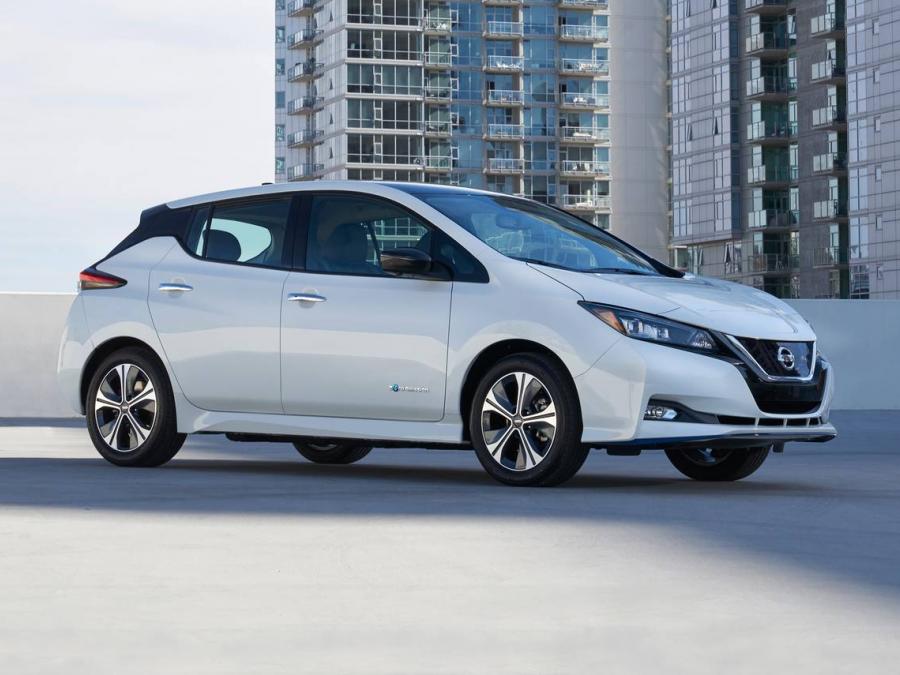
Nissan Motor Company announced on September 1 that it will temporarily suspend taking new orders for the Leaf electric car from the 22nd.
The reason is explained at length: it is necessary to revise the prices for Leaf due to the increase in the cost of raw materials and the violation of logistics for the supply of components.
How long the pause will last is not specified.
Growth in auto components, erratic supplies, and upwardly changing prices remain the main reasons for other manufacturers as well.
It seems that it is more profitable for the company to stop selling cars, since it takes a long time from the conclusion of the sale deal to the actual sale, during which time the increase in the prices of components makes the sale unprofitable for the company.
-
Category
-
Author
-
678
-
0
-
01Sep, 2022
Insurers tested the operation of the automatic braking system at night.
Experts from the American Insurance Institute for Highway Safety (IIHS) tested cars to check how the automatic braking system works at night. The tests involved 23 models presented on the US market, and 19 of them either received a “satisfactory” rating or did not cope with the task at all. It turned out that only on four cars the system works properly regardless of the lighting - these are the Nissan Pathfinder, Toyota Camry and Highlander, as well as the Ford Mustang Mach-E.
According to the IIHS, three-quarters of pedestrian-on-vehicle collisions occur at night. In order to study the behavior of security systems at night, insurers selected 23 popular models sold in the US and tested them in different scenarios. Only four cars braked in time in front of the pedestrian - a Nissan Pathfinder, Ford Mustang Mach-E, Toyota Camry and Highlander. However, only Pathfinder received the highest score, as its automatic braking systems worked correctly in all simulated situations.
Seven other cars - Honda Accord, Hyundai Palisade, Hyundai Sonata, Nissan Frontier, Nissan Murano, Subaru Ascent and Subaru Outback - fell short of the top marks. "Satisfactory" received Chevrolet Traverse, Ford Explorer, Ford Maverick, Ford Ranger, Mazda CX-9, Volkswagen Atlas, Volkswagen Atlas Cross Sport and Volkswagen Tiguan.
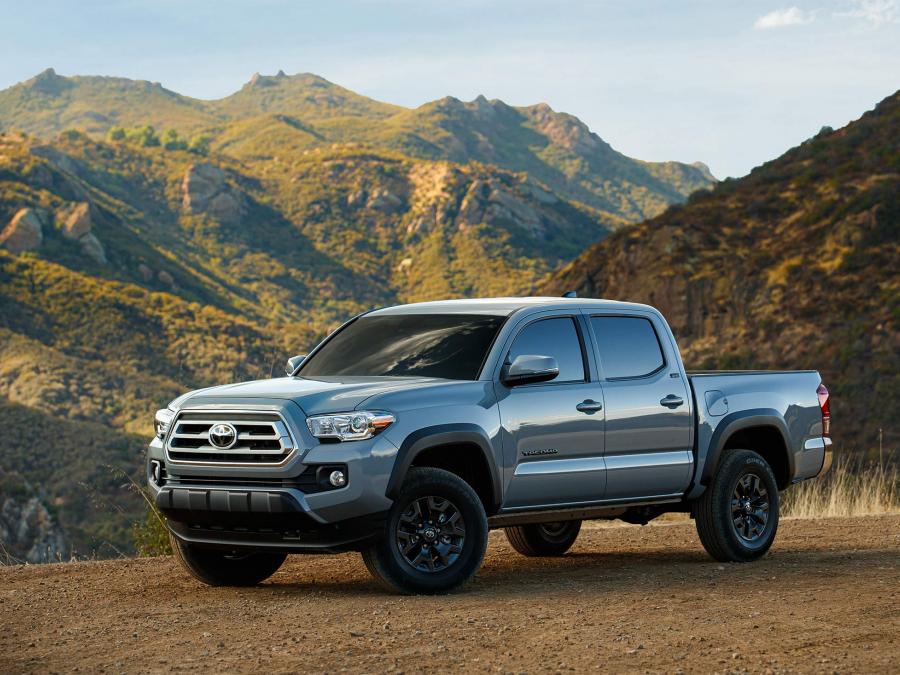
The remaining four models, Chevrolet Malibu, Honda Pilot, Nissan Altima and Toyota Tacoma, were not rated at all - the automatic braking system at night could not recognize a pedestrian and did not work.
The IIHS has urged automakers to improve the effectiveness of emergency braking systems as pedestrian casualties rise. Since 2009, the number of such accidents has increased by 80 percent, and in 2021, 7.3 thousand pedestrians died on US roads, with the majority of accidents occurring at night.


-

[news] WEF: The end of the personal car is coming
This is tyranny if ever I heard it. There is no gl [more ...]Posted by Micky 6 months ago -
[news] The new Moskvich 3 gets a new name, petro ...
Nice utüg, congratulations if you can drive itPosted by Mosque Witch 2 years ago -
[news] The new Moskvich 3 gets a new name, petro ...
Battery electric?! Hasn't Russia learned any less [more ...]Posted by Sagradamoly 2 years ago -
[news] An American put a chip on his hand to mak ...
Great article!Posted by Bobby Brown 3 years ago -
[news] Tesla Asks Drivers To Post Fewer Clips Wi ...
Tesla's autopilot needs many more improvementsPosted by Tesla driver 4 years ago